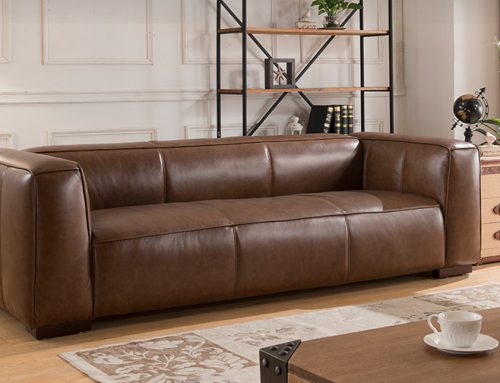
Brown leather sofa
Choosing the right color palette for your living space is crucial in setting the desired ambiance and aesthetic. Leather sofas, with their timeless appeal and versatile nature, serve as a fundamental piece in your decor, forming the foundation around which other color choices revolve.
Understanding Leather Sofa Colors
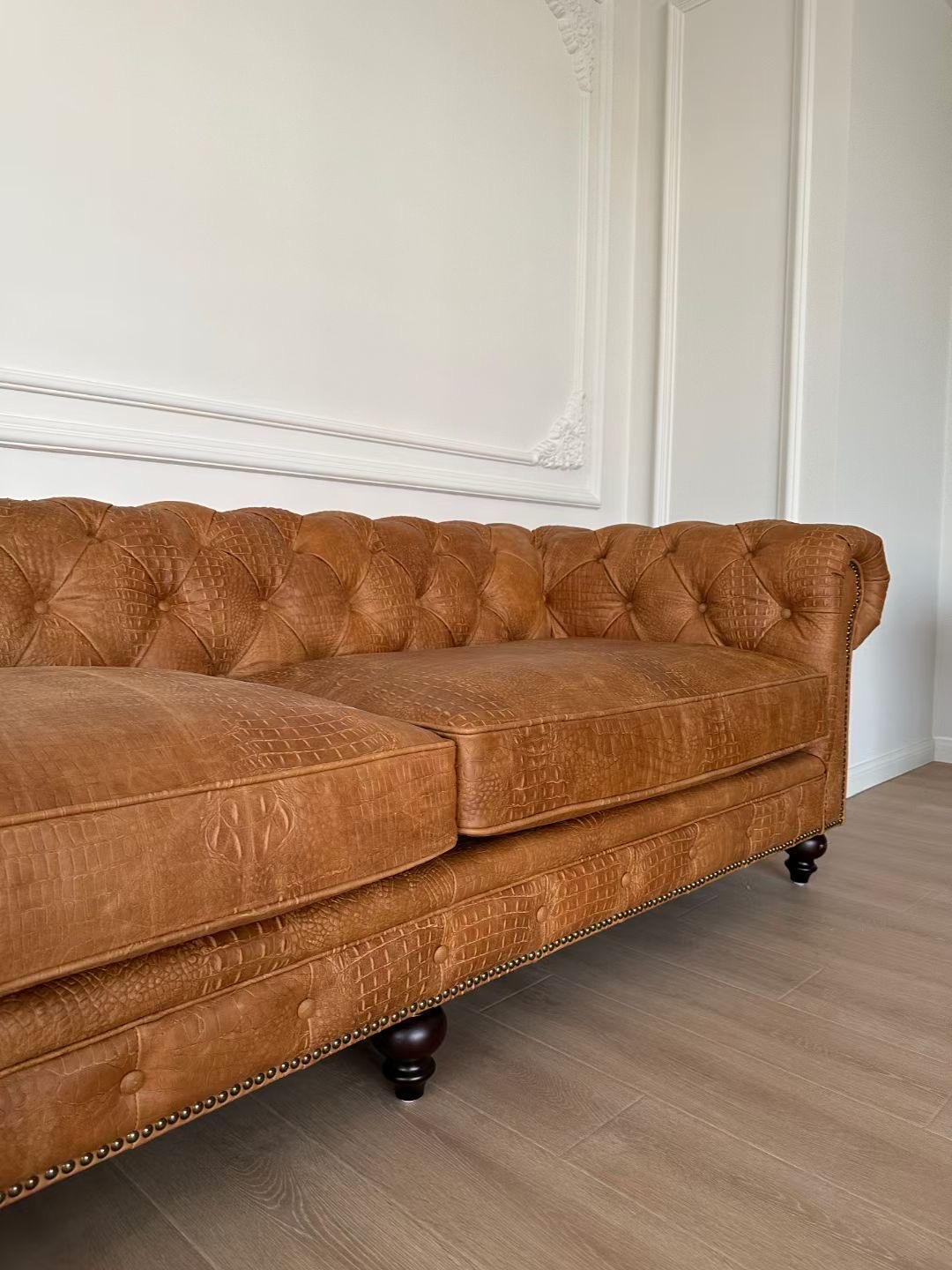
Leather sofas commonly come in colors like brown, black, cognac, and white, each bringing its own texture and warmth to a room. Brown leather offers a rich, earthy tone that suits many styles. Black leather provides a sleek, modern appearance, while cognac exudes luxury and warmth. White leather sofas offer a fresh, clean look that is both modern and elegant.
Color Theory Basics
To effectively pair colors with your leather sofa, understanding basic color theory is essential. The color wheel serves as a fundamental tool, illustrating color relationships. Complementary colors, which sit opposite each other on the wheel, offer contrast and vibrancy. Analogous colors, situated next to each other, provide harmony and consistency, while neutral colors create balance and tranquility.
Complementary Color Schemes
When working with a brown leather sofa, consider complementary hues like blues and greens. These colors offer a refreshing contrast, enhancing the warmth of the brown. For black leather sofas, pairing with whites and grays creates a sophisticated, modern vibe. Cognac leather looks luxuriously inviting when combined with rich jewel tones like emerald or sapphire.
Analogous Color Schemes
For those who prefer a harmonious look, using analogous colors can be highly effective. Brown leather pairs well with warm earth tones including beige and terracotta, creating a cozy, inviting atmosphere. Black or gray leather can be complemented with cool tones like navy and charcoal, resulting in a calm and serene space.
Neutral and Minimalist Approaches
Neutral colors provide a timeless and versatile backdrop for any leather sofa. Whites, creams, and grays help to highlight the sofa while keeping the room light and airy. Monochromatic schemes, which use different shades of the sofa’s inherent color (e.g., various browns with a brown leather sofa), also produce a sophisticated and cohesive look.
Accent Colors and Accessories
Incorporating accent colors through cushions, throws, or rugs can introduce pops of color and personality. Metal accents such as bronze or gold, and wood finishes can further enhance the leather’s natural texture and tone.
Case Studies
Consider rooms that successfully integrate color palettes with leather sofas. For example, a room featuring a brown leather sofa complemented by teal walls and mustard-yellow accents creates a vibrant yet balanced space. Or a modern loft with a black leather sofa paired with white walls and red cushions achieving a contemporary, chic appeal.
Conclusion
Finding the right colors to pair with your leather sofa involves a mix of understanding basic color principles and experimenting with personal style. Whether aiming for contrast or harmony, the possibilities are extensive. Embrace creativity and trust your instincts to create a space that is uniquely yours.
Why Retro Furniture is Still Popular Today
Understanding Leather Sofa Colors Leather sofas commonly come in colors like brown, black, cognac, and white, each bringing its own texture and warmth to a room. Brown leather offers a rich, earthy tone that suits many styles. Black leather provides a sleek, modern appearance, while cognac exudes luxury and warmth. White leather sofas offer a fresh, clean look that is both modern and elegant.

Color Theory Basics
To effectively pair colors with your leather sofa, understanding basic color theory is essential. The color wheel serves as a fundamental tool, illustrating color relationships. Complementary colors, which sit opposite each other on the wheel, offer contrast and vibrancy. Analogous colors, situated next to each other, provide harmony and consistency, while neutral colors create balance and tranquility.
Complementary Color Schemes
When working with a brown leather sofa, consider complementary hues like blues and greens. These colors offer a refreshing contrast, enhancing the warmth of the brown. For black leather sofas, pairing with whites and grays creates a sophisticated, modern vibe. Cognac leather looks luxuriously inviting when combined with rich jewel tones like emerald or sapphire.
Analogous Color Schemes
For those who prefer a harmonious look, using analogous colors can be highly effective. Brown leather pairs well with warm earth tones including beige and terracotta, creating a cozy, inviting atmosphere. Black or gray leather can be complemented with cool tones like navy and charcoal, resulting in a calm and serene space.
Neutral and Minimalist Approaches
Neutral colors provide a timeless and versatile backdrop for any leather sofa. Whites, creams, and grays help to highlight the sofa while keeping the room light and airy. Monochromatic schemes, which use different shades of the sofa’s inherent color (e.g., various browns with a brown leather sofa), also produce a sophisticated and cohesive look.
Accent Colors and Accessories
Incorporating accent colors through cushions, throws, or rugs can introduce pops of color and personality. Metal accents such as bronze or gold, and wood finishes can further enhance the leather’s natural texture and tone.
Case Studies
Consider rooms that successfully integrate color palettes with leather sofas. For example, a room featuring a brown leather sofa complemented by teal walls and mustard-yellow accents creates a vibrant yet balanced space. Or a modern loft with a black leather sofa paired with white walls and red cushions achieving a contemporary, chic appeal.
Incorporating Retro Furniture into Your Home
Conclusion
Finding the right colors to pair with your leather sofa involves a mix of understanding basic color principles and experimenting with personal style. Whether aiming for contrast or harmony, the possibilities are extensive. Embrace creativity and trust your instincts to create a space that is uniquely yours.

Leave A Comment