The Origins of Chesterfield Furniture
Chesterfield furniture dates back to the mid-1700s when Lord Philip Stanhope, the 4th Earl of Chesterfield, commissioned a sofa that allowed gentlemen to sit upright without wrinkling their garments. This design featured deep button tufting, rolled arms, and a backrest equal in height to the arms, establishing the iconic Chesterfield style.
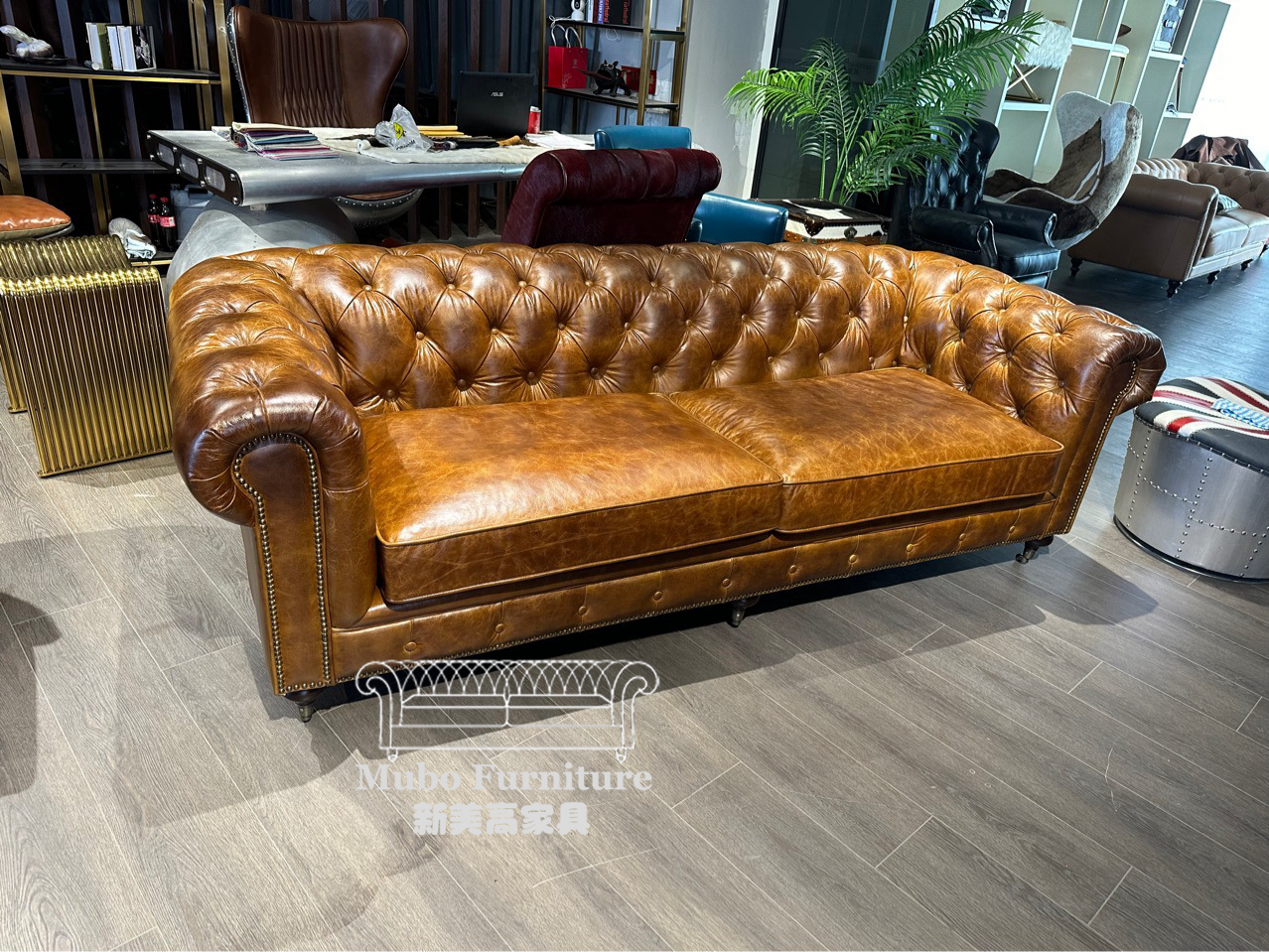
2. Distinctive Design Features
- The Chesterfield’s unique design elements include:
- Deep Button Tufting: Provides a luxurious appearance and maintains the shape of the upholstery.
- Rolled Arms: Curved arms that are at the same height as the backrest, offering a symmetrical look.
- Nailhead Trim: Decorative metal studs outlining the sofa’s edges, adding to its classic appeal.
- Low Seat Base: Offers a comfortable seating position while maintaining elegance.
3. Materials and Construction
- High-quality Chesterfield furniture is crafted using:
- Solid Hardwood Frames: Provides durability and strength.
- Top-Grain Leather: Offers a supple feel and ages gracefully.
- High-Density Foam: Ensures comfort and longevity.
- Hand-Tied Springs: Adds resilience and support.
- These materials contribute to the furniture’s longevity and timeless appeal.
4. Variations in Chesterfield Furniture
- While the classic Chesterfield sofa remains popular, several variations have emerged:
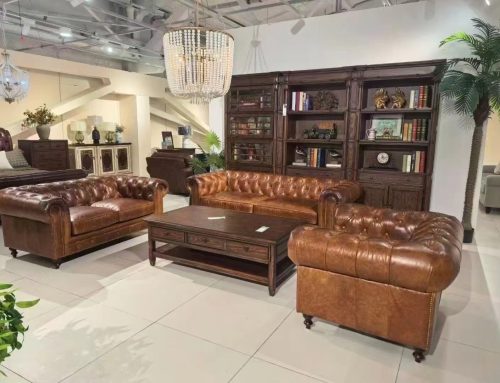
- Sectional Sofas: Adapted for larger spaces, offering modular seating options.
- Chesterfield ArmChair: Single-seat versions maintaining the traditional design.
- Ottomans: Complementary pieces providing additional comfort and style.
- Fabric Upholstery: Alternatives to leather, including velvet and linen, for diverse aesthetics.
5. Incorporating Chesterfield Furniture into Modern Interiors
- Chesterfield pieces can enhance various interior styles:
- Traditional: Pair with antique furnishings and rich color palettes.
- Contemporary: Use in minimalist settings with neutral tones.
- Industrial: Combine with metal accents and exposed brick walls.
- Eclectic: Mix with diverse textures and patterns for a unique look.
6. Maintenance and Care
- To preserve the beauty of Chesterfield furniture:
- Regular Dusting: Use a soft cloth to remove dust and prevent buildup.
- Leather Conditioning: Apply conditioner every 6-12 months to maintain suppleness.
- Avoid Direct Sunlight: Prevent fading by placing furniture away from direct sunlight.
- Professional Cleaning: Consider professional services annually for deep cleaning.
- These practices ensure the furniture remains in excellent condition for years.
7. Notable Brands and Manufacturers
- Several reputable brands specialize in Chesterfield furniture:
- Timeless Chesterfields: Offers handcrafted pieces with traditional techniques.
- The Chesterfield Company: Known for customizable options and quality materials.
- Fleming & Howland: Provides bespoke furniture with a focus on heritage craftsmanship.
8. Chesterfield Furniture in Popular Culture
- Chesterfield sofas have appeared in various cultural contexts:
- Psychoanalysis: Sigmund Freud used a Chesterfield in his practice.
- Television and Film: Featured in numerous productions as a symbol of sophistication.
- Literature: Often described in classic novels as a staple of elegant interiors.
9. Environmental Considerations
- Modern manufacturers are adopting sustainable practices:
- Eco-Friendly Materials: Using responsibly sourced wood and organic fabrics.
- Low-VOC Finishes: Reducing harmful emissions during production.
- Recycling Programs: Offering services to recycle old furniture responsibly.
10. Customization Options
- Consumers can personalize Chesterfield furniture through:
- Fabric Selection: Choosing from various materials and colors.
- Size Adjustments: Tailoring dimensions to fit specific spaces.
- Detailing: Selecting button styles, leg finishes, and trim options.
11. Frequently Asked Questions
Q: What defines a Chesterfield sofa?
A: Its deep button tufting, rolled arms, and equal back and arm height.
Q: How do I maintain leather Chesterfield furniture?
A: Regular dusting, conditioning, and avoiding direct sunlight are key.
Q: Can Chesterfield sofas fit in modern interiors?
A: Yes, their classic design complements various styles, including contemporary settings.
Q: Are there fabric alternatives to leather?
A: Yes, options include velvet, linen, and other high-quality fabrics.
Q: Is Chesterfield furniture a good investment?
A: Due to its durability and timeless appeal, it holds value over time.


Leave A Comment